

round lit bathroom mirror
Understanding the Importance of Opening Water Valves in Efficient Hydraulic Systems Water valves are critical components in various hydraulic systems, ensuring the proper flow and management of water in residential, commercial, and industrial applications. The act of opening a water valve may seem trivial at first glance, yet it plays a significant role in maintaining efficiency, safety, and functionality in numerous contexts. This article explores the importance of opening water valves, the different types available, and best practices for managing them effectively. At its core, a water valve controls the flow of water through pipes. When we refer to “opening a water valve,” we typically mean allowing water to flow freely into a system, whether for irrigation, plumbing, or industrial usage. In plumbing, for instance, opening the main water valve can lead to the activation of various fixtures around the house, such as faucets, washing machines, and dishwashers. Proper management of these valves is essential to ensure all systems operate smoothly, avoiding leaks and water wastage. Understanding the Importance of Opening Water Valves in Efficient Hydraulic Systems There are various types of water valves that serve distinct purposes. The most common include gate valves, globe valves, ball valves, and check valves. Each type has its advantages and specific application scenarios. For example, gate valves are often used for applications where minimal pressure drop is required, as they allow for a straight-line flow. In contrast, ball valves are well-known for their durability and ability to provide a tight seal, making them ideal for applications requiring complete shutoff. open water valve It is vital to note that opening water valves should be done with caution. Improper handling can lead to water hammer—a phenomenon caused by a sudden change in water flow that can cause significant pressure surges. This may result in damaged pipes and fittings, leading to costly repairs and water damage. To mitigate these risks, it is essential to open valves gradually and monitor the system’s response. Moreover, regular maintenance of water valves is crucial for their longevity and functionality. Over time, debris can accumulate within the valve or pipeline, causing blockages that impede water flow. Regular inspections and cleanings can help prevent these issues and ensure that when a valve is opened, it operates without complications. Additionally, checking for leaks around valve seals can help maintain the health of the overall plumbing system and conserve water. Another key aspect to consider is the role of water valves in emergency situations. Knowing how to quickly open or shut off water valves can be crucial in preventing significant property damage during leaks or burst pipes. Homeowners and facility managers should familiarize themselves with the locations and functions of all water valves in their systems. Regular drills can also prepare individuals to act swiftly in case of an emergency, reducing the risk of severe water damage and related hazards. In industrial settings, the importance of proper valve management is even more pronounced. Here, water valves are often part of larger systems involving chemicals or specialized liquids. The ability to control flow rates meticulously can be vital to maintaining safety and efficiency in industrial processes. Therefore, extensive training on valve operation and the implications of opening and closing them is imperative for operators. In conclusion, while the act of opening a water valve might seem simple, its implications are far-reaching. It is essential for controlling water flow, preventing damage, managing resource usage, and ensuring the smooth operation of various systems. By understanding the different types of valves, embracing best practices for their use, and prioritizing maintenance, individuals and organizations can harness the benefits of water valves effectively. Whether in a residential setting or an industrial application, the prudent management of water valves is fundamental to both efficiency and safety.
about
round lit bathroom mirror
Understanding Level Suppliers in Supply Chain Management In today’s globalized economy, the concept of suppliers plays a crucial role in the success and efficiency of any business. Among the various categories of suppliers, level suppliers are particularly significant, as they represent different tiers in the supply chain. Understanding level suppliers, their roles, and how they impact businesses is essential for anyone involved in supply chain management. What are Level Suppliers? Level suppliers are categorized based on their proximity to the manufacturer or end-user in the supply chain. They are often classified into three levels 1. First-Tier Suppliers These are direct suppliers who provide materials or components to manufacturers. For instance, if a car manufacturer sources tires directly from a tire manufacturer, the tire supplier is considered a first-tier supplier. 2. Second-Tier Suppliers These suppliers provide products or materials to first-tier suppliers. Using the car manufacturing example, if the tire manufacturer sources rubber from a rubber processor, that rubber processor is a second-tier supplier. 3. Third-Tier Suppliers Often further removed from the end manufacturer, these suppliers provide raw materials or components to second-tier suppliers. In our example, if the rubber processor sources natural rubber from plantations, then those plantations constitute third-tier suppliers. This tiered system helps businesses manage their relationships with suppliers more effectively, allowing them to understand the complexities of their supply chains and the interconnections between different supplier levels. Importance of Level Suppliers 1. Cost Management By identifying and managing levels of suppliers, businesses can better control costs. First-tier suppliers may charge more for their goods, but they often provide higher quality or more specialized products. By examining the entire supply chain, companies can find ways to reduce costs without sacrificing quality. level supplier 2. Quality Assurance The level of a supplier often directly impacts the quality of the finished product. Manufacturers must ensure that not only first-tier suppliers meet quality standards but also that second- and third-tier suppliers do as well. This can be achieved through supplier audits and assessments, ensuring that quality is maintained throughout the supply chain. 3. Risk Management Understanding supplier levels aids in risk management. Disruptions can occur at any level of the supply chain, so being aware of the entire network of suppliers helps businesses prepare for potential issues. For example, if a natural disaster impacts third-tier suppliers, it may affect first-tier suppliers, and consequently, the manufacturer. Being aware of these levels allows companies to diversify their supplier base, reducing dependency on single suppliers and mitigating risk. 4. Improving Collaboration Effective collaboration with suppliers at all levels can lead to innovation and improved processes. By fostering strong relationships with first, second, and third-tier suppliers, companies can encourage new ideas and solutions, leading to enhanced products and services. 5. Sustainability As sustainability becomes increasingly important in today’s market, companies must consider the practices of their suppliers at all levels. Understanding where materials come from allows firms to ensure they are sourcing sustainably, thereby improving their overall environmental impact. Challenges in Managing Level Suppliers While the benefits of managing level suppliers are numerous, challenges do exist. Communication can become complex as the number of supplier tiers increases, and ensuring compliance with standards at all levels can be difficult. Additionally, businesses often struggle with transparency in their supply chains, making it hard to track the origins of materials and the practices of all suppliers involved. Moreover, geopolitical issues, trade policies, and fluctuating market conditions can further complicate supplier relationships. Adopting technologies such as blockchain can help improve transparency and traceability in the supply chain, but these innovations also require investment and training. Conclusion In conclusion, understanding level suppliers is vital for creating an efficient and resilient supply chain. By categorizing suppliers, businesses can better manage costs, quality, risks, and sustainability practices. While challenges exist, the benefits of effectively managing level suppliers far outweigh the potential drawbacks. As the business landscape continues to evolve, organizations that prioritize and streamline their relationships with suppliers at all levels will be better positioned to thrive in an increasingly competitive environment.
-

High quality industrial productsagement

High quality industrial products
View Details -

Meet the diverse needs of customers

Meet the diverse needs of customers
View Details -

Strict quality control

Strict quality control
View Details -

Top raw materials

Top raw materials
View Details -

Trusted supplier

Trusted supplier
View Details
Our application


news and information
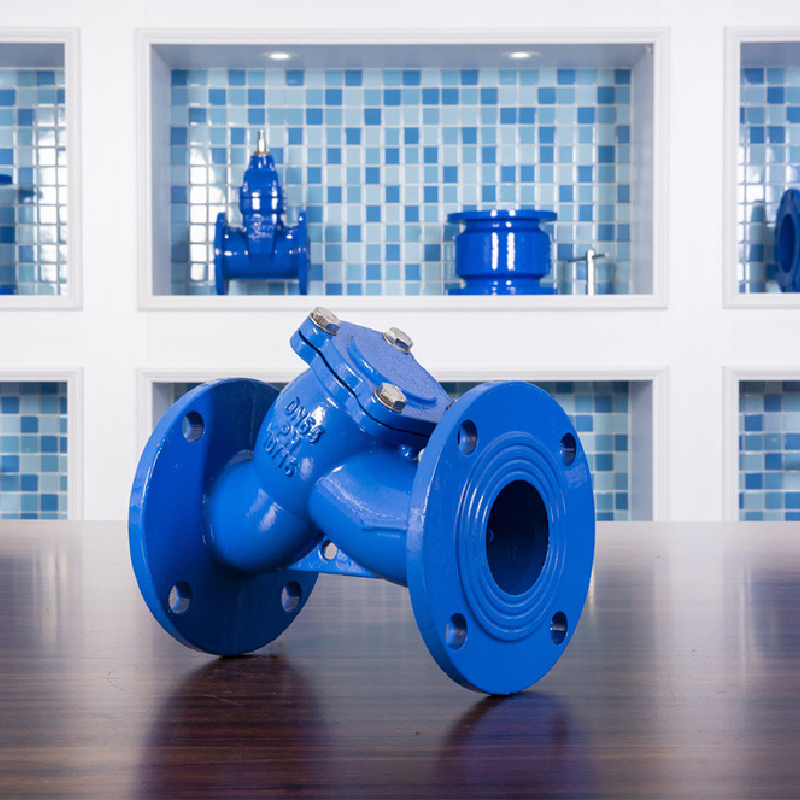
which way to turn off water valve
Turning off a water valve might seem like a straightforward task, but understanding the nuances can
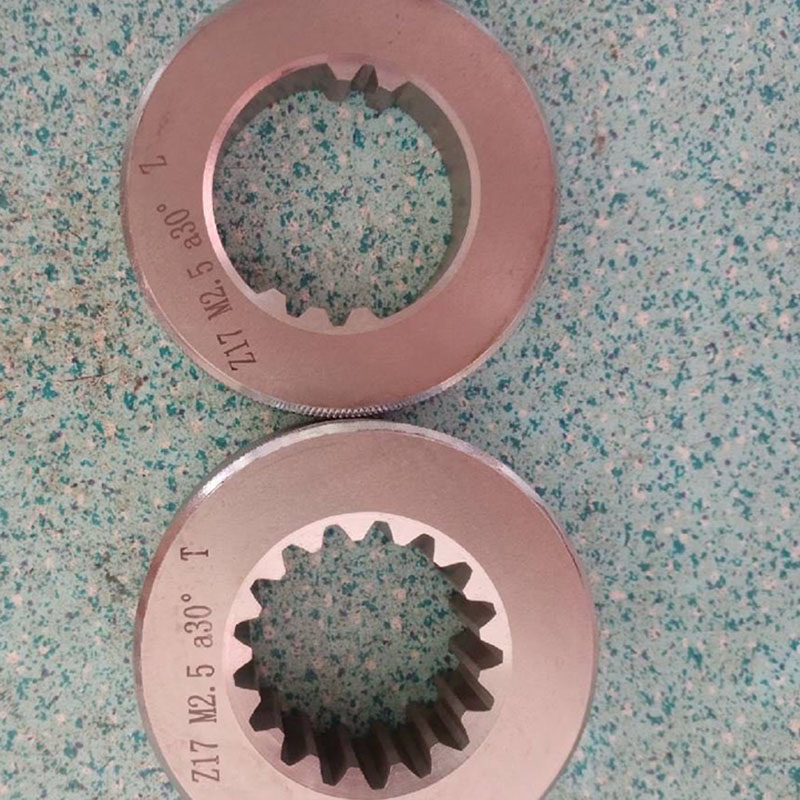
Verkauf von präzisen Stiftmessgeräten für industrielle Anwendungen und Qualitätskontrolle
Pin-Gauges zum Verkauf Präzision und Qualität für Ihre Fertigung In der modernen Fertigungsindustrie
Valve Solutions for Industrial Applications _ Precision Engineering & Innovation
The Evolution of Valve Technology in Modern Industries In recent years, valve technology has become
 English